
Posted on November 27, 2024 by Riverbend Family Dentistry
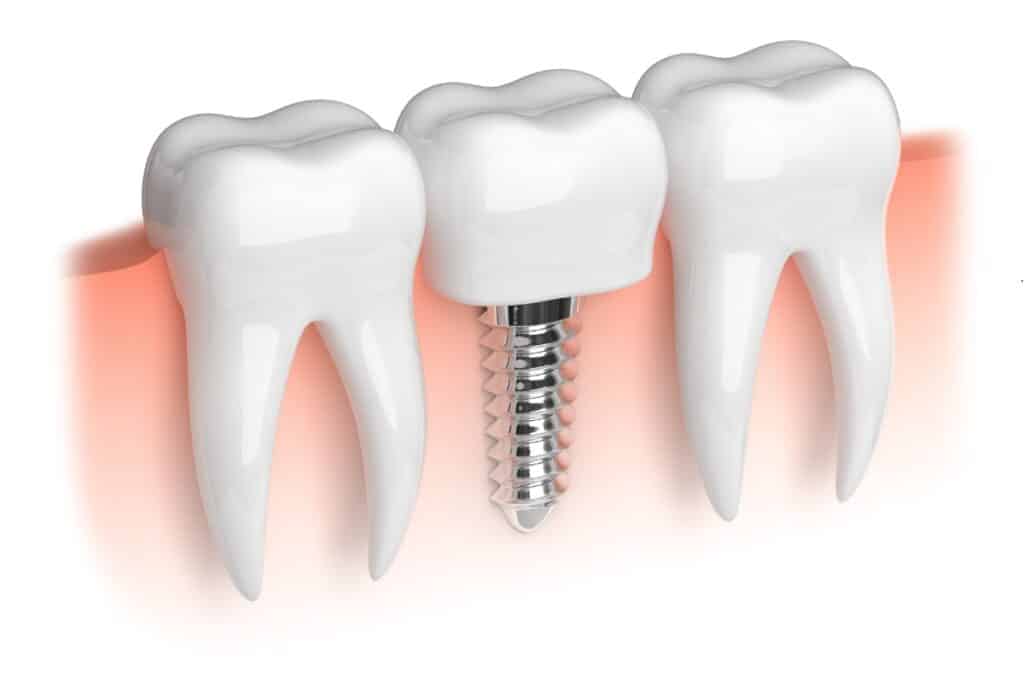
Dental implants are a highly effective way to replace missing or damaged teeth. They offer a natural and sturdy replacement that integrates into your bone structure, making them a long-lasting and reliable choice. However, as with any dental procedure, there are potential issues that can arise with dental implants, and being aware of these challenges can help you maintain successful outcomes.
In this blog, we’ll explore common problems with dental implants, ways to prevent them, and how to treat issues if they occur.
Dental Implants and Your Oral Health
A healthy mouth is needed for a successful dental implant. If you’re considering dental implants in Jupiter, it’s important to maintain good oral health to ensure the procedure’s success. Common oral health issues that can affect the longevity of your implants include:
- Tooth Decay
- Gum Disease
- Bite Problems
These conditions not only cause the loss of natural teeth but can also interfere with the stability of implants. For dental implants to integrate properly with your jawbone, a sufficient amount of bone density is required. If you have weakened bone structure due to disease or injury, this can affect the success of the procedure.
Best Practices for Prolonging the Life of Your Implants
Maintaining good oral hygiene is essential for ensuring your implants remain in excellent condition. Be sure to:
- Brush and floss regularly
- Avoid tobacco
- Get regular check-ups
Tobacco use, in particular, significantly increases the risk of infection and can prevent the implant from integrating properly with the bone. Additionally, it’s important to avoid habits such as grinding or clenching your teeth, which could overload the implant and disrupt the bonding process.
Common Dental Implant Problems and Solutions
While dental implants have a high success rate, issues can still arise. Here are some common issues with dental implants and how to address them.:
1. Implant Failure
Implant failure occurs when the implant does not properly fuse to the bone, which can be caused by several factors:
- Inadequate bone density
- Improper placement
- Infection or disease
If an implant fails to integrate with the bone, there are several treatment options. In some cases, bone grafts or gum grafts may help restore the tissue and allow the implant to successfully integrate. If the failure is due to other factors, replacing the implant may be the best option. Severe infections or damage to the bone may require the removal of the implant entirely.
2. Infection Around the Implant
Bacterial infection is a common concern for dental implants. If the area around the implant becomes infected, it can prevent the implant from bonding with the jawbone. Consistent dental care, such as brushing and flossing, is vital for preventing infections. In cases of infection, a visit to your dentist in Jupiter is crucial to address the issue before it worsens.
3. Bone Loss
The success of dental implants depends heavily on the bone structure. If your jawbone is too thin or weak, the implant may not stay securely in place. In cases of insufficient bone, your dentist might recommend a bone graft to build up the bone before placing the implant.
4. Gum Recession
Gum recession around the implant can expose the metal post and lead to aesthetic concerns. Gum grafts may be necessary to restore the tissue and protect the implant. Maintaining proper oral hygiene and regular dental visits can help prevent gum issues.
Preventing Problems with Dental Implants
Preventing complications with dental implants largely revolves around good oral hygiene and maintaining healthy habits. Here’s what you can do:
- Use a soft-bristled toothbrush to clean around the implant.
- Avoid chewing hard foods that could damage the implant or cause it to loosen.
- Quit smoking to reduce the risk of infection.
When to Seek Professional Help
While minor issues like swelling or mild discomfort are common after the procedure, any significant problems with your implant—such as persistent pain, mobility, or infection—should be addressed by a dentist in Jupiter immediately. Timely intervention can help prevent complications and ensure that your implant remains functional for years to come.
Conclusion
Dental implants are a great option for people who need tooth replacement, offering a long-lasting and natural-feeling solution. However, like any dental procedure, they require proper care and attention. If you’re experiencing any issues with your dental implants or are concerned about the long-term success of your procedure, don’t hesitate to reach out to us at Riverbend Family Dentistry. We provide expert dental implant services and will ensure that your oral health is well taken care of.
If you’re considering dental implants in Jupiter or would like more information, reach out to us today for a consultation.
**Disclaimer: This content should not be considered medical advice and does not imply a doctor-patient relationship.