
Posted on February 13, 2025 by Riverbend Family Dentistry
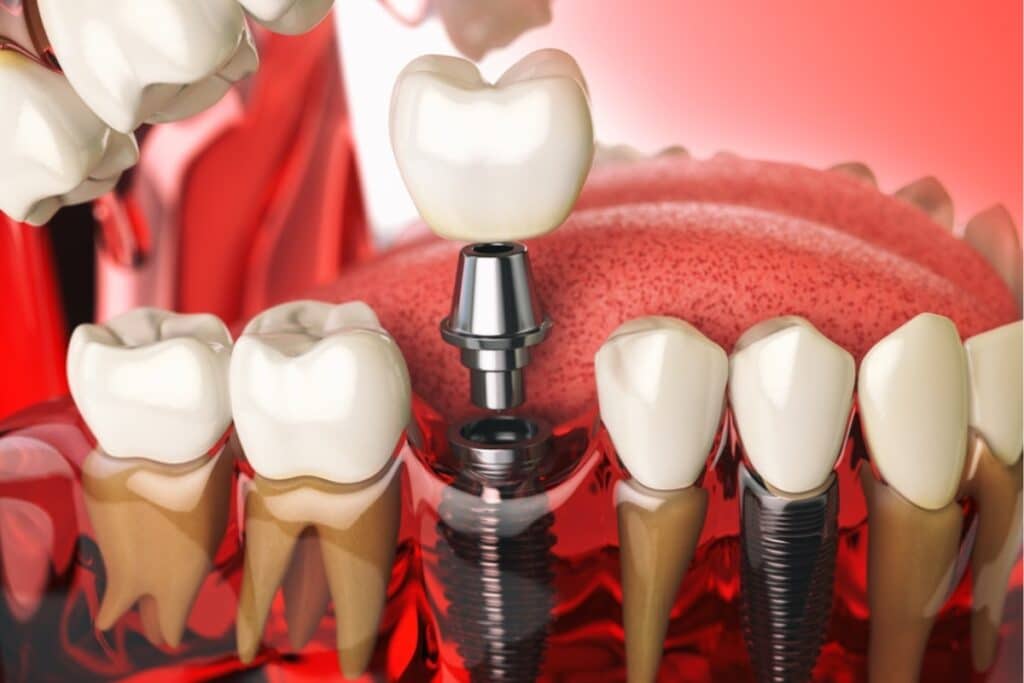
Dental implants provide an excellent solution for replacing missing teeth, offering a functional, natural-looking alternative. However, the success and longevity of your dental implants depend not only on the surgical procedure itself but also on your diet. What you eat plays a crucial role in how well your dental implants heal and how long they last. Let’s explore how nutrition can influence the healing process and help maintain your implants in the long run.
Why Is Nutrition Important After Dental Implant Surgery?
After dental implant surgery, your body requires specific nutrients to heal effectively. Similar to any surgical procedure, the healing of dental implants depends on the strength of your immune system, bone regeneration, and soft tissue repair. Nutrition supports these factors in the following ways:
Protein for Tissue Repair
Protein is a vital nutrient that aids in the body’s healing process. It helps in tissue repair and the production of collagen, which is crucial for regenerating the soft tissues and bone around your implant. To promote healing, make sure to include adequate protein in your diet. Good sources of protein include:
- Lean meats (chicken, turkey)
- Fish (salmon, tuna)
- Eggs
- Legumes
- Plant-based proteins (tofu, lentils)
Calcium and Vitamin D for Bone Health
Dental implants fuse directly with your jawbone through a process called osseointegration. This makes it essential to have strong, healthy bones. Calcium supports bone density, while vitamin D helps your body absorb calcium more efficiently. To strengthen your bones, include these foods in your diet:
- Calcium: Dairy products (milk, yogurt, cheese), leafy greens, fortified plant-based milk (almond, soy)
- Vitamin D: Fatty fish (salmon, mackerel), fortified foods (cereal, orange juice), and regular exposure to sunlight
Antioxidants for Immune Support
A strong immune system is necessary to prevent infections that could hinder the healing process. Antioxidants help fight harmful bacteria and reduce inflammation. Some great sources of antioxidants include:
- Berries (blueberries, strawberries)
- Citrus fruits (oranges, lemons)
- Leafy greens (spinach, kale)
- Nuts (almonds, walnuts)
These nutrient-rich foods support quicker healing and help protect the implant site from infection.
Omega-3 Fatty Acids for Inflammation Reduction
After dental implant surgery, reducing inflammation is critical for faster recovery. Omega-3 fatty acids are known for their anti-inflammatory properties. To reduce swelling and promote healing, include these omega-3-rich foods in your diet:
- Salmon
- Walnuts
- Chia seeds
- Flaxseeds
Zinc for Tissue Regeneration
Zinc plays a significant role in cell division and tissue repair, both of which are important after dental implant surgery. It also strengthens the immune system to reduce the risk of infection. Foods rich in zinc include:
- Shellfish (oysters, crab)
- Meat (beef, lamb)
- Legumes (chickpeas, lentils)
- Seeds (pumpkin seeds, sesame seeds)
Foods to Avoid During Implant Healing
While it’s important to focus on healing-promoting foods, there are certain foods that should be avoided in the initial healing phase after dental implant surgery:
- Hard or Crunchy Foods: Foods like nuts, hard fruits, and crunchy snacks can put too much pressure on the implant, possibly leading to complications.
- Sticky Foods: Caramel, gum, and other sticky items can get lodged around the implant, causing irritation or infection.
- Sugary Foods: Excessive sugar can encourage bacterial growth, which increases the risk of infection and slows healing.
Nutrition and Implant Longevity
Once your dental implants have healed and integrated with the jawbone, good nutrition continues to play an important role in maintaining the long-term success of your implants. Eating a well-balanced diet rich in vitamins, fiber, and calcium can help keep your gums and surrounding bones healthy. Key nutrients that help with implant longevity include:
- Vitamin C: Supports gum health and helps in tissue repair.
- Fiber: Helps maintain overall oral health by cleaning the teeth and gums.
- Calcium: Keeps the surrounding bone strong and healthy.
Don’t forget to stay hydrated as well. Drinking plenty of water helps maintain healthy gums and supports overall oral health.
Conclusion: Boost Implant Healing with Proper Nutrition
In summary, the healing process after dental implant surgery relies heavily on proper nutrition. By eating a balanced diet with key nutrients such as protein, calcium, vitamin D, antioxidants, and omega-3 fatty acids, you can promote faster healing, reduce inflammation, and improve the long-term success of your implants. If you’re looking for dental implants in Jupiter or have any questions about the healing process, we invite you to schedule a consultation at Riverbend Family Dentistry. Our team is ready to guide you through every step of your implant journey.
**Disclaimer: This content should not be considered medical advice and does not imply a doctor-patient relationship.