
Posted on November 5, 2025 by Riverbend Family Dentistry
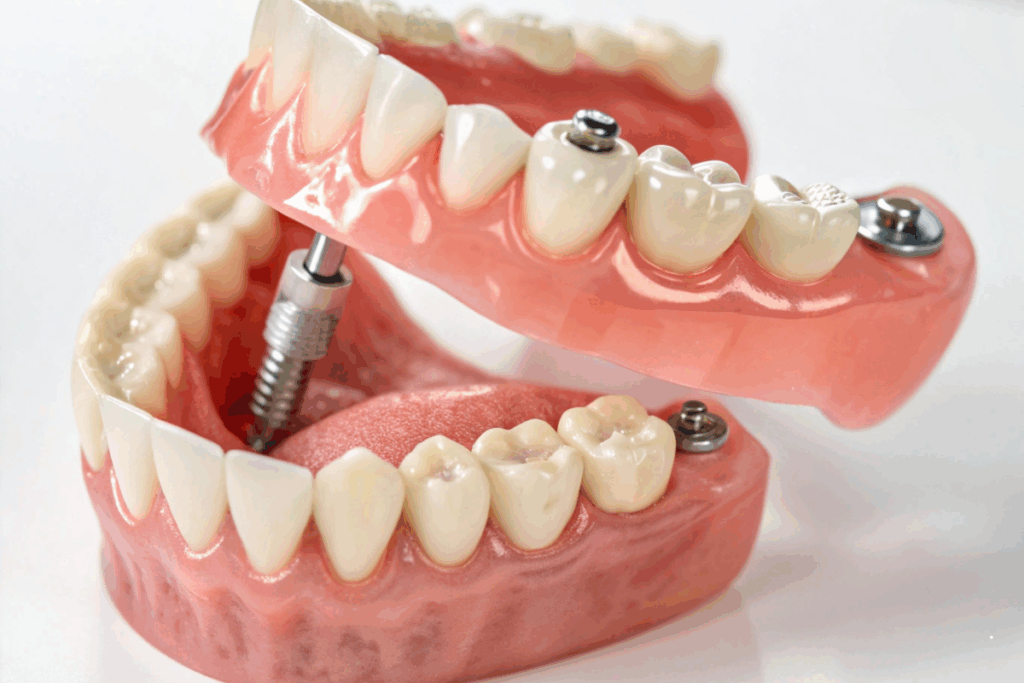
Dental implants are one of the most reliable and long-lasting solutions for replacing missing teeth. With a success rate of over 95%, they help restore function, appearance, and confidence. But like any surgical procedure, dental implants do carry certain risks. Understanding these potential complications—along with how to prevent them—can help you make informed decisions about your treatment.
To guide you through the most important details, specialists offering dental implants Jupiter at Riverbend Family Dentistry Jupiter explain the real risks involved and how proper care can significantly reduce them.
What Are the Most Common Dental Implant Complications?
While dental implants are generally safe, patients should be aware of possible issues that may arise if proper care and planning are overlooked.
1. Infection at the Implant Site
Infection is one of the most common complications, typically caused by poor oral hygiene, smoking, or improper aftercare.
Symptoms include:
-
Swelling around the gums
-
Persistent pain
-
Pus or discharge
-
Fever or tenderness
Fortunately, most infections are preventable with good hygiene and early intervention.
2. Nerve Damage
Nerve injury is rare but possible, especially when implants are placed too close to the nerves in the jaw.
Signs of nerve damage:
-
Tingling in the tongue or gums
-
Numbness in the lips or chin
-
Sharp or shooting pain
An experienced implant provider uses advanced imaging to avoid nerve pathways and ensure safe placement.
3. Peri-Implantitis
Peri-implantitis is a condition similar to gum disease. It occurs when bacteria accumulate around the implant, leading to tissue inflammation and bone loss.
Risk factors include:
-
Poor plaque control
-
Smoking
-
Uncontrolled diabetes
-
Previous gum disease
If left untreated, peri-implantitis can cause implant failure, making early detection and treatment essential.
4. Implant Loosening or Failure
Implant failure typically happens when the implant does not successfully fuse with the jawbone, a process known as osseointegration.
Causes may include:
-
Insufficient bone density
-
Excessive biting pressure
-
Smoking
-
Poor overall health
Your implant specialist will evaluate your bone structure before treatment to help avoid these issues.
How to Prevent Dental Implant Complications
Although complications are possible, the good news is that most are preventable. With proper planning, healthy habits, and professional care, patients can achieve strong, long-lasting results.
1. Maintain Excellent Oral Hygiene
Brush twice daily, floss regularly, and clean around the implant using interdental brushes. Good hygiene keeps bacteria at bay and protects the surrounding gum tissue.
2. Follow All Post-Procedure Instructions
Your provider will give you detailed instructions after surgery. This may include avoiding strenuous activity, taking prescribed medications, and eating soft foods temporarily.
3. Avoid Smoking
Smoking restricts blood flow and slows healing, making it one of the top causes of implant complications. Quitting before and after surgery greatly improves success rates.
4. Schedule Regular Dental Checkups
Seeing your implant provider for routine cleanings and exams ensures early detection of inflammation, bone loss, or changes in implant stability.
5. Manage Health Conditions
Conditions like diabetes must be well-controlled to reduce the risk of infection and delayed healing. Discuss your health history with your provider before treatment.
Conclusion
Dental implants are a highly successful and dependable tooth replacement option, but understanding potential risks ensures you’ll be better prepared for treatment. By maintaining good oral hygiene, following aftercare instructions, and working closely with a trusted implant specialist, you can significantly reduce the chance of complications.
If you’re considering dental implants Jupiter, the team at Riverbend Family Dentistry Jupiter can provide the expertise, evaluation, and personalized care needed for a safe and successful experience. If you have concerns about implant risks or want a consultation, schedule an appointment today for professional guidance and support.
**Disclaimer: This content should not be considered medical advice and does not imply a doctor-patient relationship.