
Posted on June 18, 2025 by Riverbend Family Dentistry
Correcting a misaligned jaw isn’t just about aesthetics—it can also improve chewing, speech, breathing, and overall dental health. If traditional braces or aligners can’t fix the problem, your orthodontist may recommend orthognathic surgery, also known as corrective jaw surgery.
In this article, we’ll break down what orthognathic surgery involves, when it’s necessary, and how working with a trusted orthodontist in Jupiter, like those at Riverbend Family Dentistry, can guide you through the process.
What Is Orthognathic Surgery?
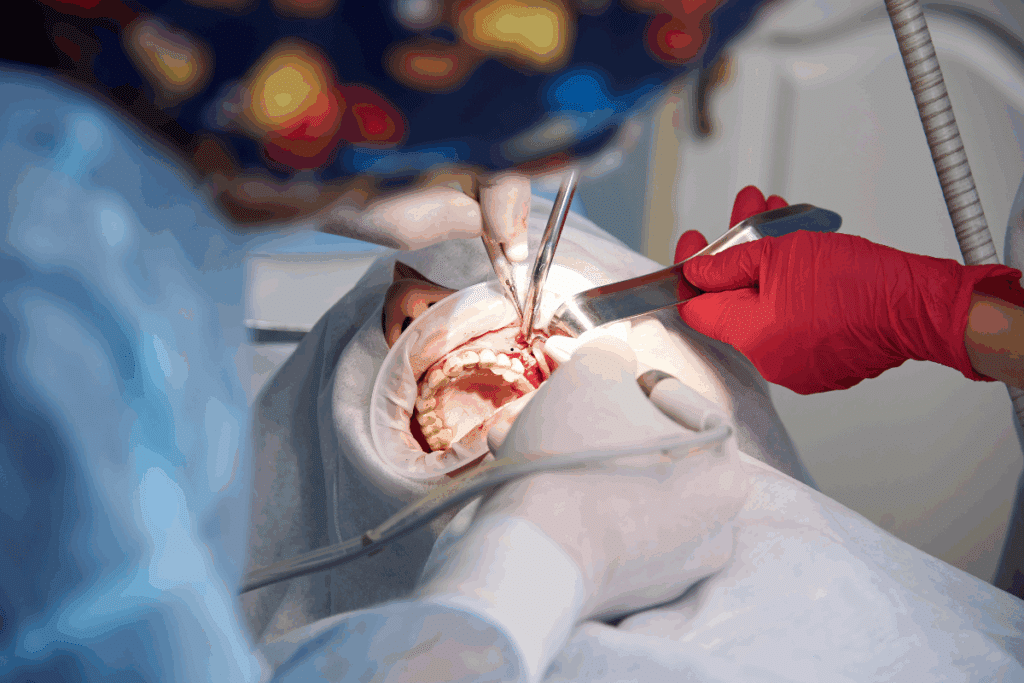
Orthognathic surgery is a specialized procedure that corrects irregularities in the jaw bones. It aligns the jaws and teeth to improve both function and facial appearance. The surgery is usually performed by an oral and maxillofacial surgeon in collaboration with your orthodontist.
This treatment often comes after or alongside orthodontic treatment like braces, especially when misalignment is too severe to be corrected with braces alone.
When Is Orthognathic Surgery Recommended?
This surgery isn’t for every patient—but in certain cases, it’s the most effective long-term solution. Your orthodontist in Jupiter may recommend orthognathic surgery if you experience:
-
Severe underbite or overbite
-
Open bite (when the front teeth don’t touch)
-
Jaw that appears too far forward or back
-
Chronic jaw pain or TMJ issues
-
Difficulty chewing or biting food
-
Speech problems caused by jaw misalignment
-
Obstructive sleep apnea due to jaw structure
-
Facial imbalance or asymmetry
What to Expect During the Process
1. Initial Evaluation
Your orthodontist will conduct a full evaluation, including X-rays, 3D scans, and models of your bite, to determine if you’re a good candidate for jaw surgery.
2. Pre-Surgical Orthodontics
Before surgery, you’ll typically wear braces for 12 to 18 months to properly align the teeth so they will fit together after the jaw is repositioned.
3. The Surgery
Performed under general anesthesia, the procedure involves repositioning one or both jaws. Depending on your needs, the surgeon may move the jaw forward, backward, or adjust the angle.
4. Recovery Time
Recovery usually takes several weeks. Most patients can return to work or school within 2–3 weeks, though complete healing may take up to 12 months. You’ll continue orthodontic treatment post-surgery to fine-tune the bite.
Benefits of Orthognathic Surgery
Orthognathic surgery can have life-changing effects, both functionally and aesthetically. Benefits include:
-
Improved bite and chewing ability
-
Better speech clarity
-
Relief from TMJ pain
-
Enhanced facial symmetry
-
Correction of sleep apnea in some cases
-
Boost in confidence and self-esteem
Is Orthognathic Surgery Right for You?
Not everyone with a bite issue needs surgery. If you’re experiencing only mild to moderate misalignment, non-surgical orthodontic solutions may be enough.
But if your jaw misalignment causes ongoing pain, difficulty eating, or self-consciousness about your appearance, it may be time to speak with a skilled orthodontist in Jupiter for a full assessment.
Conclusion
Orthognathic surgery is a powerful solution for people with severe jaw misalignments affecting their health and quality of life. At Riverbend Family Dentistry in Jupiter, our team will give advice to ensure you get the most effective and personalized care.
If you’re struggling with jaw-related issues or suspect you might be a candidate for corrective surgery, don’t wait. Schedule a consultation today with a trusted orthodontist in Jupiter. We’re here to help you smile with confidence and comfort.
**Disclaimer: This content should not be considered medical advice and does not imply a doctor-patient relationship.