
Posted on April 8, 2025 by Riverbend Family Dentistry
Orthodontic treatment has advanced significantly in achieving a straighter smile. While traditional braces play a crucial role, rubber bands help guide your teeth into the correct position more efficiently. Are you curious about how orthodontic elastics enhance your treatment? Let’s explore their importance and impact on your smile transformation.
What Are Rubber Bands In Orthodontics?
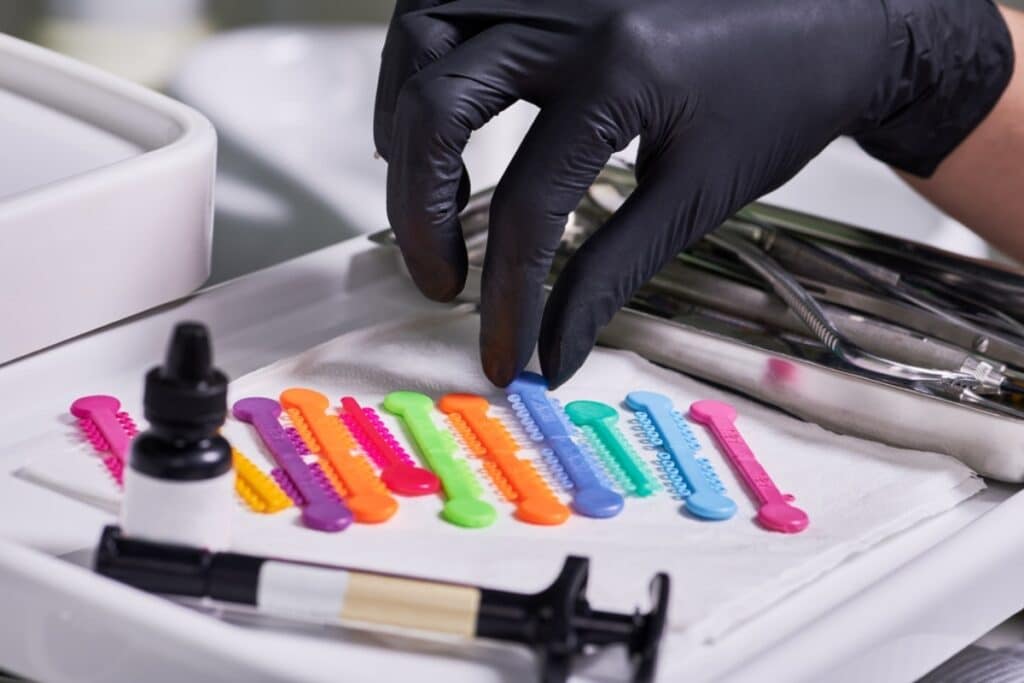
Bands, called elastics, are small, stretchy orthodontic elastics attached to the braces. They provide additional force to guide teeth in the proper alignment. These bands are placed in specific patterns or configurations to address misalignment issues like biting problems, jaw alignment, and shifting teeth.
Orthodontic specialists utilize different types of elastics based on each patient’s specific needs. Some are designed to correct overbites or underbites, while others assist in aligning the upper and lower teeth. Regardless of their type, these elastics work with braces, applying controlled pressure to guide teeth into their ideal position with precision and efficiency.
How Do Rubber Elastics Help In Orthodontic Treatment?
They serve lots of purposes in the context of straightening a smile. Here are some of the ways the orthodontist in Jupiter recommends using these bands during the treatment-
-
Correcting the Bite Problems
One of the most common uses of orthodontic elastics is correcting bite issues like overbite, underbite, or crossbite. These problems occur when upper and lower teeth do not align properly, making it difficult to bite or chew. These bands help apply constant pressure to align both jaws, improving bite function.
-
Jaw Alignment
In some cases, these bands help shift the jaw’s position. This is crucial for patients with skeletal discrepancies affecting how the teeth and jaws fit together. Rubber elastics can help move the jaw in a more favorable position, resulting in a balanced facial appearance and improved function.
-
Give Faster Results
When used correctly, these bands help speed up the overall alignment process. By applying targeted pressure to specific areas, they encourage tooth movement and ensure faster treatment progress. They shorten the duration, giving you the ideal smile you’ve always wanted.
-
Improved Teeth Alignment
Elastics also aid in better tooth alignment, mainly when additional pressure is required in specific areas of the mouth. Whether you have crowding, spacing, or misaligned teeth, these items help restore everything to proper order with time.
Tips To Wear The Elastic Bands Effectively
While elastics are very effective in moving your teeth and jaws, the success of the treatment depends upon the consistency. Here are some tips to ensure you are getting the most out of these items-
-
Follow the Orthodontist’s Guidelines
The professional will provide specific instructions on wearing these orthodontic elastics, such as how often to change them and which configuration to use. It is crucial to follow these guidelines closely to achieve the desired results.
-
Wear Them as Prescribed
Consistency is the key when wearing these elastics. The more you wear these alignment appliances, the faster the teeth will move into the particular position. Missing even a few hours can slow the shifting process and extend the treatment time.
-
Change Them Regularly
These orthodontic bands lose elasticity over time. To ensure consistent pressure, it’s best to replace them regularly. The orthodontic professional advises on how fast to change them, depending on the individual treatment plan.
Rubber bands are vital in accelerating orthodontic treatment and guiding teeth into proper alignment. If you seek expert orthodontic care in Jupiter, Riverbend Family Dentistry offers personalized treatment plans to meet your unique needs. From braces to elastics and other orthodontic solutions, our team is dedicated to helping you achieve a well-aligned, healthy smile. Schedule your appointment today.
**Disclaimer: This content should not be considered medical advice and does not imply a doctor-patient relationship.