
Posted on September 25, 2024 by Riverbend Family Dentistry
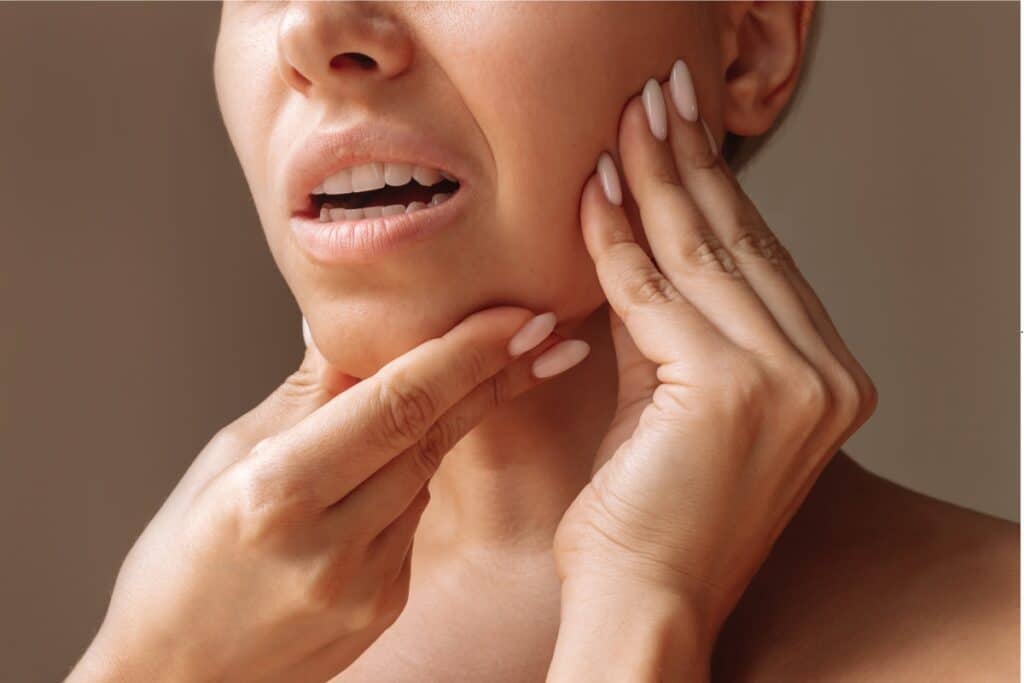
Jaw clicking on one side while chewing can be a perplexing and uncomfortable experience. Whether it’s a persistent clicking sound or an occasional pop, it can disrupt your meals and cause concern. Fortunately, you’re not alone. This common issue is often related to the temporomandibular joint (TMJ), and understanding its causes and solutions can help you manage it effectively. Let’s explore what might be causing your jaw to click and how you can address it.
What is Jaw Clicking?
Jaw clicking involves an audible sound—like a click or pop—coming from the TMJ, which is located on either side of your head. This joint allows you to open and close your mouth and perform various oral functions. Typically, a smoothly functioning TMJ doesn’t produce any noise, but disturbances can lead to a clicking sound.
Common Causes of Jaw Clicking on One Side
-
Misalignment of the Temporomandibular Joint (TMJ)
- When the TMJ is out of alignment, the condyle (the rounded end of your jawbone) may not fit correctly into its socket, causing clicking sounds and discomfort.
-
Trauma or Injury to the Jaw
- Injuries to the jaw can damage the TMJ, leading to clicking or popping noises during movement.
-
Bruxism (Teeth Grinding)
- Grinding or clenching your teeth puts excessive pressure on the TMJ, which can result in jaw clicking and associated symptoms.
-
Arthritis or Joint Disorders
- Conditions like osteoarthritis or rheumatoid arthritis can affect the TMJ, contributing to clicking sounds.
-
Stress and Tension
- Increased stress can lead to muscle tightness around the jaw, causing clicking and discomfort. Sometimes, the cause may be a combination of factors or remain unclear.
Symptoms Associated with Jaw Clicking
Jaw clicking might be accompanied by various symptoms, including:
- Audible clicking or popping sounds
- Jaw pain or discomfort
- Difficulty opening or closing the mouth fully
- Headaches or migraines
- Ear pain or fullness
If these symptoms persist or worsen, it’s advisable to consult a healthcare provider for a thorough evaluation.
Diagnosing Jaw Clicking
To diagnose the cause of jaw clicking, healthcare professionals, including dentists and oral specialists, use several methods:
- Physical Examination: Evaluating jaw movement and listening for sounds.
- Dental and Medical History Assessment: Reviewing past injuries or treatments.
- Imaging Tests: X-rays or MRI scans to visualize the TMJ and detect abnormalities.
- Collaborative Diagnosis: Combining expertise from various specialists for accurate results.
Treatment Options for Jaw Clicking
Treatment varies depending on the cause and severity of symptoms. Here are common approaches:
- Self-Care and Lifestyle Changes: Relaxation techniques, avoiding excessive gum chewing, and applying warm compresses.
- Dental Treatments and Procedures: Orthodontic treatment, dental splints or mouthguards, and restorations to align the bite.
- Medications: NSAIDs, muscle relaxants, or corticosteroids for pain relief and inflammation.
- Physical Therapy and Jaw Exercises: Programs to strengthen muscles and improve movement.
- Stress Management Techniques: Methods like meditation and deep breathing to reduce muscle tightness.
Prevention Tips
While preventing jaw clicking entirely may not be possible, you can minimize the risk by:
- Maintaining good oral hygiene
- Avoiding excessive gum chewing
- Using relaxation techniques to manage stress
- Wearing a nightguard if you grind your teeth
- Seeking prompt treatment for injuries or dental issues
When to Seek Professional Help
Consider consulting a healthcare professional if:
- Jaw clicking persists or worsens
- Severe pain or discomfort affects daily activities
- Difficulty eating or speaking arises
- There’s a lockjaw or an inability to fully open or close the mouth
For personalized care, especially if you’re in need of an orthodontist in Jupiter, visit Riverbend Family Dentistry for expert diagnosis and treatment.
Conclusion
Jaw clicking while chewing can be unsettling, but understanding its causes and exploring appropriate treatments can help alleviate the issue. From misalignment and trauma to stress and arthritis, various factors may contribute to this condition. Timely diagnosis and treatment are essential to managing symptoms and maintaining your oral health. If you experience persistent or severe symptoms, don’t hesitate to reach out to a professional for comprehensive care. At Riverbend Family Dentistry, our team is dedicated to providing the best dental solutions for your needs.
**Disclaimer: This content should not be considered medical advice and does not imply a doctor-patient relationship.