
Posted on September 4, 2024 by Riverbend Family Dentistry
If you’ve been dreaming of a brighter, whiter smile, you’re not alone. Teeth whitening has become one of the most sought-after cosmetic dental treatments, offering a quick boost in confidence and a radiant smile. But is teeth whitening safe? In this guide, we’ll break down everything you need to know to achieve a dazzling smile safely.
What is Teeth Whitening?
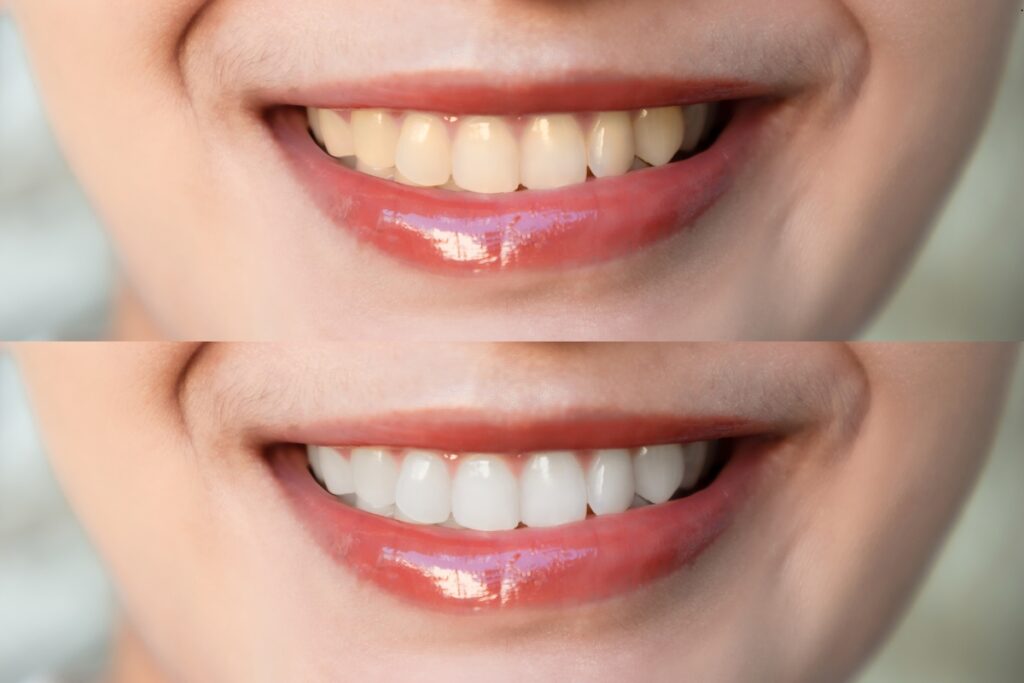
Teeth whitening is a cosmetic procedure designed to lighten the color of your teeth by removing stains and discoloration. This can be accomplished through various methods:
- Professional treatments at the dentist’s office
- At-home whitening kits
- Over-the-counter products, such as whitening strips and toothpaste
Professional Whitening vs DIY Kits
When it comes to safety, the method you choose can make a significant difference. Here’s a comparison of professional and DIY teeth whitening options:
Professional Whitening
Professional teeth whitening treatments, provided by your dentist, are generally the safest option. At Riverbend Family Dentistry, we use high-quality products and advanced techniques to ensure both effectiveness and safety. Benefits of professional whitening include:
- Customization to fit your specific needs
- Expertise in protecting your teeth and gums
- Immediate, noticeable results
At-Home Whitening Kits
At-home whitening kits and over-the-counter products can also be effective but come with additional risks:
- Potential for misuse: Overusing or incorrectly applying these products can lead to tooth sensitivity or enamel damage.
- Less control: Unlike professional treatments, these products may not be as tailored to your unique dental needs.
Understanding Sensitivity
A common side effect of teeth whitening is tooth sensitivity. If you’ve ever felt sharp pain from a cold drink, you’re familiar with this discomfort. Whitening agents can temporarily increase sensitivity to hot and cold temperatures. However, this sensitivity is typically short-lived.
Tips to Manage Sensitivity
- Consult your dentist: Discuss any sensitivity concerns with your dentist at Riverbend Family Dentistry. We can recommend products designed for sensitive teeth.
- Follow instructions: Adhere strictly to the usage guidelines provided with any whitening product.
- Choose gentle options: Consider treatments specifically designed to minimize sensitivity.
Gums Matter, Too
The health of your gums is another crucial factor. Some whitening products may cause irritation if they come into contact with your gums. Professional whitening treatments ensure the whitening agent is applied precisely to your teeth, minimizing the risk of gum irritation.
Is Teeth Whitening Safe?
So, is teeth whitening safe? The answer is yes, provided you follow a few key guidelines:
- Consult your dentist: Before starting any whitening treatment, seek advice from your Jupiter dentist at Riverbend Family Dentistry. We can help you choose the safest and most effective option.
- Follow instructions: Whether using professional or at-home treatments, always adhere to the recommended guidelines.
- Avoid overuse: More isn’t always better. Excessive whitening can lead to sensitivity and potential damage.
- Maintain oral hygiene: Regular brushing, flossing, and dental check-ups are essential to keeping your smile healthy.
If you have any questions or concerns about teeth whitening, don’t hesitate to contact us. Our team at Riverbend Family Dentistry is here to guide you towards a brighter, healthier smile.
Ready to enhance your smile? Schedule your teeth whitening appointment in Jupiter or call Riverbend Family Dentistry at +1 561-701-9700 to get started.
Conclusion
Teeth whitening can be a safe and effective way to brighten your smile, as long as you choose the right method and follow expert advice. If you’re considering teeth whitening and want to ensure you’re making the best choice for your dental health, schedule a consultation with us. We’re here to help you achieve your brightest smile safely and effectively.
**Disclaimer: This content should not be considered medical advice and does not imply a doctor-patient relationship.